
Courage to Proclaim the Gospel
Day after day, in the temple courts and from house to house, [the apostles] never stopped teaching and proclaiming the good news that Jesus is the Christ. Acts 5:42
The apostles were performing many miraculous signs and wonders. They met peaceably at Solomon’s Colonnade. They healed the sick and freed the demon-possessed (Acts 5:12-16). So why were the high priest and other members of the Sanhedrin enraged? Why did they want to put the apostles to death (v. 33)?
Their core objection was this: “You are determined to make us guilty of this man’s blood” (5:28). If Jesus of Nazareth was truly the 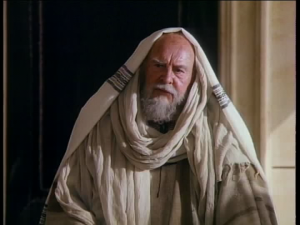 Messiah as the apostles proclaimed, then what did that say about those who had delivered Him to the Roman authorities as an insurrectionist and demanded His crucifixion? If they had been wrong about Jesus’s assertion that He was God’s Son, the authority on which they stood as God’s chosen leaders would crumble. Their power and influence over the people would evaporate.
So rather than admitting their error, the members of the Sanhedrin set out to destroy the followers of “the Name” (v. 41). They imprisoned the apostles, but God’s angel set them free. They ordered the apostles to remain silent, but the Spirit within the Twelve couldn’t be silenced.
Enter Gamaliel, a Pharisee “honored by all the people” and recognized by his peers as one of the wisest teachers (v. 33). God used him to proclaim this truth: “If [this message] is from God, you will not be able to stop these men; you will only find yourself fighting against God” (v. 39).
Oh how Christ’s Church needs to hear those words: if it is your work, it will fail, but if it is God’s work, it cannot be thwarted. Oh how our world needs to hear this message: no matter how you desecrate God’s character, no matter how you twist His truth, you cannot destroy His message or derail His eternal plan.
The courage and the steadfast faith of the apostles convict me. The pantheistic Romans ruled their nation, and the established religious authorities persecuted them, but the apostles never stopped proclaiming “the full message of this new life” that Jesus’s death and resurrection had made possible (v. 20).
Do we have the courage to do the same?
DIG DEEPER:
Read 1 John 5:1-12. Who will overcome the world? Are you part of that group? What truth do overcomers proclaim? Are you proclaiming it?
Read Romans 15:18-19, 1 Corinthians 2:4-5, and Hebrews 2:3-4. According to these passages, what was the purpose of the apostles’ “signs and wonders”?
Note the high priest’s words in Acts 5:28. Why do you think he didn’t name Jesus? Consider what Peter said in Acts 4:9-12.
Denise K. Loock
This devotion is part of a series on the Book of Acts.