
No Other Gods
“You shall have no other gods before me.” Exodus 20:3 and Deuteronomy 5:7
His name meant “My God is Jehovah,” and Elijah was a prophet during a time when idolatry abounded. God gave Elijah a message to deliver to King Ahaziah that might have made any prophet fearful. He was to intercept Ahaziah’s men on their way to consult Baal-Zebub with a message for the king: “Is it because there is no God in Israel for you to consult that you have sent messengers to consult Baal-Zebub, the god of Ekron? Because you have done this, you will never leave the bed you are lying on. You will certainly die!” (2 Kings 1:1-3)
When Ahaziah heard the message and was given a description of the man who had prophesied it, he knew the prophet was Elijah.
He sent a captain and fifty 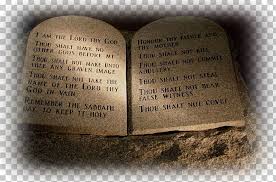 men to get him (2 Kings 1:9).
The captain called Elijah “Man of God,” but he was probably ridiculing him as someone today might say, “Hey, preacher man, we’ve been sent by the king to get you.”
Elijah answered, “If I am a man of God, may fire come down from heaven and consume you and your fifty men!” (2 Kings 1:10). Elijah couldn’t bring down fire from heaven, but he prayed that God would. God would reveal if Elijah was a true prophet and who was the true God.
Fire fell from heaven and consumed the captain and his men. This happened to a second captain and his fifty men.
We may be tempted to feel sorry for the men who lost their lives obeying the king’s order. But the king had told them to do an immoral, evil thing in consulting a god called Baal-Zebub. The ones who died had no reverence for Elijah’s God and his word.
The king sent a third captain and his men. The captain humbly knelt before Elijah and begged that he and his men be spared. The angel of the Lord told Elijah to return with the captain and talk to the king.
When Elijah gave the message, the king died, according to the word of the Lord that Elijah had related (2 Kings 1:13-15).
Can we ignore God and his Word? God said, “You shall have no other gods before me (Exodus 20:3). At times we may be called on to say, as Peter and the other apostles did, “We must obey God rather than human beings!” (Acts 5:29).
Do you obey what God has said?
Dig Deeper
Read 2 Kings 1:1-15 and Matthew 3:1-12. Compare the description of Elijah with the description of John the Baptist. How are these two men alike in their fervency toward God?
Read Exodus 20:3-6. Who, but for the grace of God, will be affected by your actions toward God?
Baal-zebub was also called “lord of the flies, or lord of filth, lord of evil spirits.” What did the Pharisees call this god (see Matthew 12:22-32)? Whom do you contact when you pray?
Nancy J. Baker
This devotion is part of our Elijah and Elisha series and “Do Not Be Afraid” series.
Comments
Amen Nancy our God is Jehovah,
and we must obey Him and not fear man!!!